


pinoy perya | Exploring Pinoy Perya: A Celebration of Tradition in Card Games
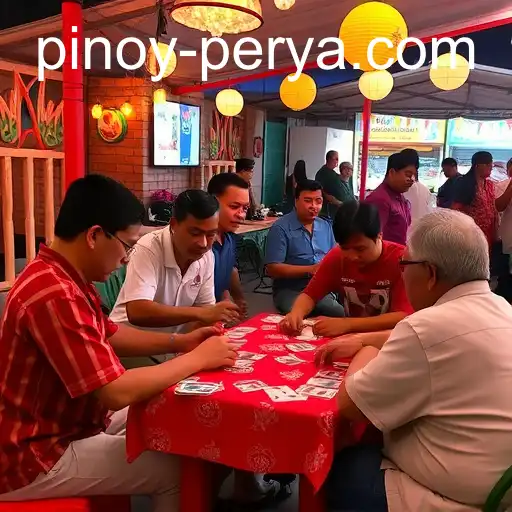
In the vast and vibrant landscape of Filipino culture, Pinoy Perya emerges as a colorful celebration of tradition and community. Known for its lively atmosphere and festive spirit, a perya is a traveling fair that brings together families and friends across the Philippines. While it is often lauded for its carnival rides and street food, one of its lesser-known but fascinating aspects is the array of traditional card games that it offers. These games are more than mere entertainment; they are a testament to the country's rich history and communal values.
The term 'Pinoy Perya' may evoke images of loud speakers, bright lights, and the enticing aroma of grilled snacks, but it also signifies a place where locals gather to partake in time-honored card games. Among these games are Pusoy Dos, Tong-its, and Sakla, each with its unique rules and cultural significance. Card games at the perya are typically played with a spirit of camaraderie, and they often attract enthusiastic participants eager to try their luck and skill.
Pusoy Dos, a popular variant at the perya, is similar to the game Two of Spades, where the aim is to be the first to play all your cards. It is a strategic game often played in small groups, requiring players to understand the nuances of card hierarchy and tactful plays. On the other hand, Tong-its is a three-player card game that enjoys immense popularity due to its engaging mechanics and swift pace. Both games are not only enjoyable but serve as mediums for social interaction, allowing participants to bond over shared victories and good-natured rivalries.
Sakla is another intriguing game usually seen at wakes during a perya. Its roots trace back to Spanish influence, and it is traditionally associated with raising funds for funeral expenses. Played with a deck of Spanish cards, Sakla is often managed by a game master, known as a 'tapista,' who keeps the game thrilling for its numerous bettors.
Pinoy Perya bridges the past and present, preserving card games that are an intrinsic part of Filipino heritage. As digital games gain traction globally, these traditional card games continue to be cherished for their simplicity and the way they weave community ties. For many Filipinos, engaging in a card game at a perya is a nostalgic journey back to simpler times, a reminder of familial connections and local traditions.
In conclusion, Pinoy Perya stands as a symbol of cultural continuity, where card games serve as both amusement and an ode to Filipino history. Whether you're a visitor eager to experience the local culture or a seasoned player relishing in the time-honored games, the perya offers a unique glimpse into the soul of the Philippines—one card at a time.
